A career shaped by curiosity
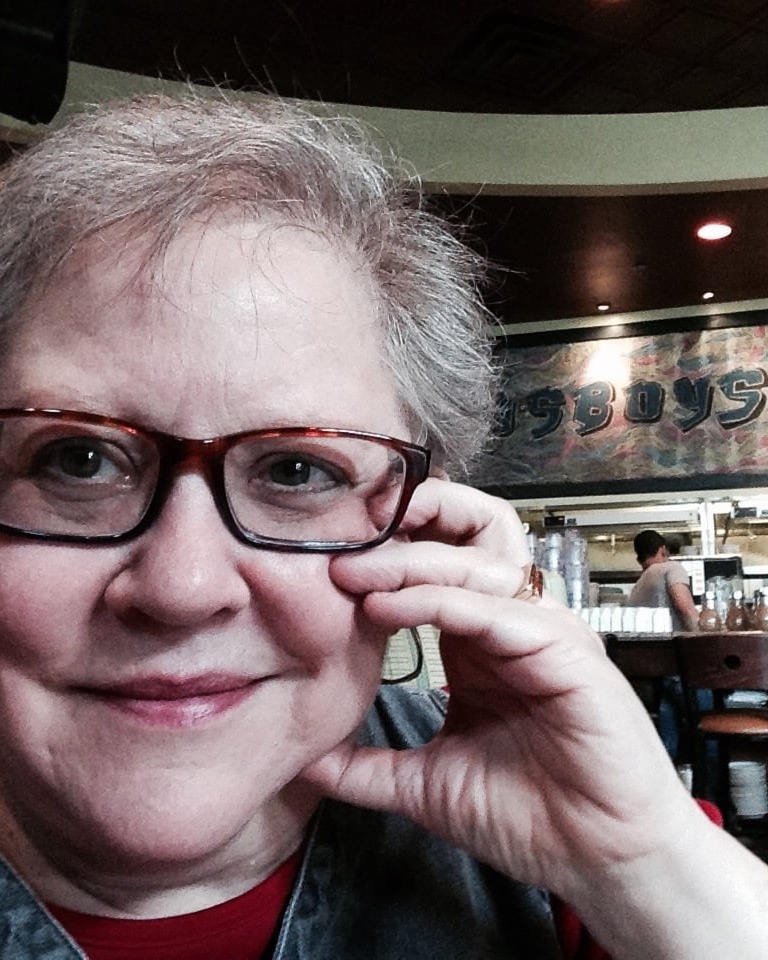
Advocacy has been part of Joan Eisenstodt’s life since childhood. Growing up in Dayton, Ohio, she organized neighborhood street fairs to raise money for polio research after a friend was diagnosed. She was also one of the “Polio Pioneers,” children who received either the polio vaccine or a placebo during early vaccine trials.
Joan initially planned to become a social worker. After leaving college, she worked in sales, retail, administration and as a teacher’s aide. She also volunteered at an art museum, organizing programming around exhibit openings and citywide arts events.
In her early 30s, Joan moved to Washington, D.C., and founded her own consultancy in 1981. Facilitation, teaching, training, writing, consulting and serving as an expert witness in industry disputes all became part of a career shaped less by a fixed plan than by curiosity and opportunity.
Curiosity as a practice
Joan’s work is grounded in questions:
- Why is something always done this way?
- Who is being included?
- Who is excluded?
- What would happen if we approached it differently?
In meetings and hospitality, she learned to notice how choices that can look routine, such as where a meeting is held, when a session is scheduled or how a room is arranged, can exclude people.
Joan also sees travel as a way to encounter people, cultures and perspectives that may not otherwise be part of everyday life. As a child, her family participated in “People to People” weekends through their synagogue, welcoming international university students from countries including Kenya, Turkey and Vietnam into their home.
Inclusion in practice
Joan’s childhood experiences with housing restrictions, segregation, bullying and exclusion shaped her belief that people should not be shut out because they are perceived as different.
In the hospitality industry, that meant paying attention to who was invited to participate, who was given speaking opportunities, who held leadership roles and who received recognition. She challenged practices such as scheduling events during holidays that effectively exclude some groups, failing to provide mobility access or interpreters for Deaf and hard-of-hearing participants, and programming that can marginalize people on the autism spectrum.
While representing Meeting Professionals International on the Events Industry Council Board, Joan deepened her focus on accessibility. Later in life, she also came to understand her own experiences with sensory overload and being on the autism spectrum, alongside acquired disabilities affecting hearing, energy and information processing.
“We cannot design inclusive experiences if we assume everyone experiences the world the way we do.”
Joan Eisenstodt
Turning advocacy into action
Early in the COVID-19 pandemic, Joan became increasingly concerned about anti-Asian hate and what she saw as insufficient response from the travel and hospitality industry. She reached out to Asian American colleagues to ask how to support their communities effectively.
That work contributed to API EventProfs, an industry community focused on visibility and opportunity for Asian American, Pacific Islander, Native Hawaiian and allied professionals. The group worked to increase speaking opportunities, nominations for industry awards and broader representation.
Building connection through curiosity and inclusion
Inclusion becomes real when people look beyond the obvious, notice who is missing and change the systems and practices that keep people out.
Takeaways
- Curiosity can reveal exclusion that routine processes hide.
- Inclusion is operational. Dates, locations, room layouts, communication and representation all matter.
- Connection does not require crossing a border. Meaningful encounters can begin wherever people create opportunities to know one another.